
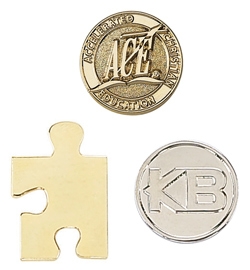
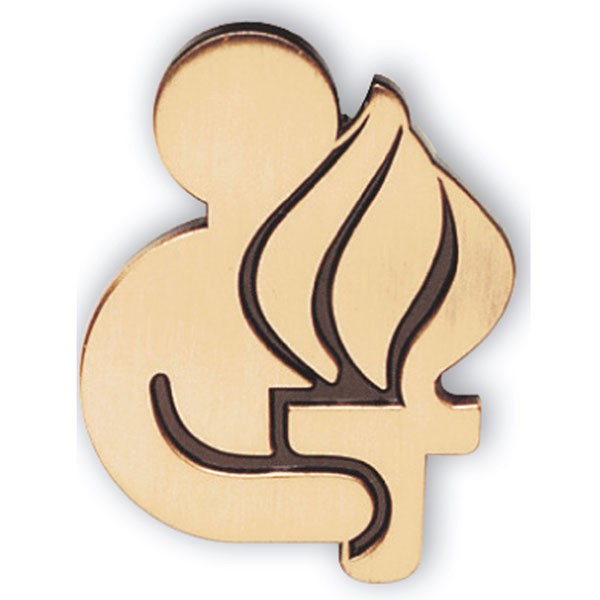
#KB8000 1"
Die Struck High Polish Lapel Pin
from US$ 1.12
Die striking is how most metal lapel pins are made: a steel die with your design is pressed into brass or iron, leaving raised and recessed areas. A die struck pin can stay all metal, with a finish that makes the design stand out, or it can be filled with soft enamel or hard enamel.
This page lists every die struck pin we offer, with the all-metal finishes first: antique, sandblast and high polish.
Die Struck High Polish Lapel Pin
from US$ 1.12
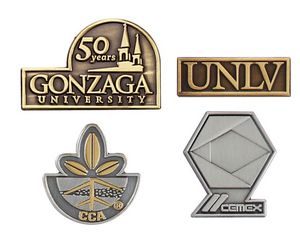
Die Struck Antique Lapel Pin
from US$ 1.27

Die Struck Sandblast Lapel Pin
from US$ 1.27
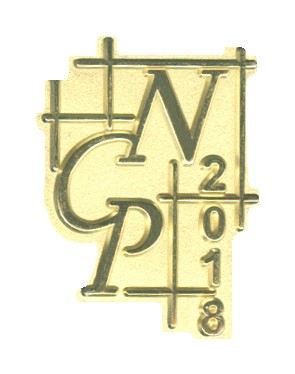
Low Minimum Die Struck Metal Lapel Pin
from US$ 1.52
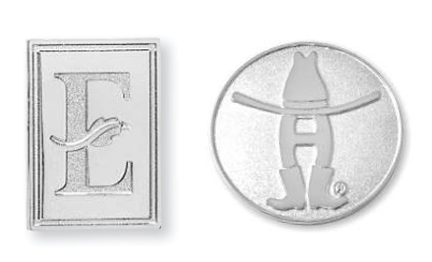
Sandblast or Two-Tone Die Struck Pin
from US$ 1.90
Antique Die Struck Pin with Military Clutch
from US$ 2.35
Die Struck Iron Soft Enamel Lapel Pin
from US$ 0.84

Nickel Plated Soft Enamel Lapel Pin
from US$ 1.08
Color-Matched Metal Soft Enamel Pin
from US$ 1.14
Die Struck Brass Soft Enamel Lapel Pin
from US$ 1.32
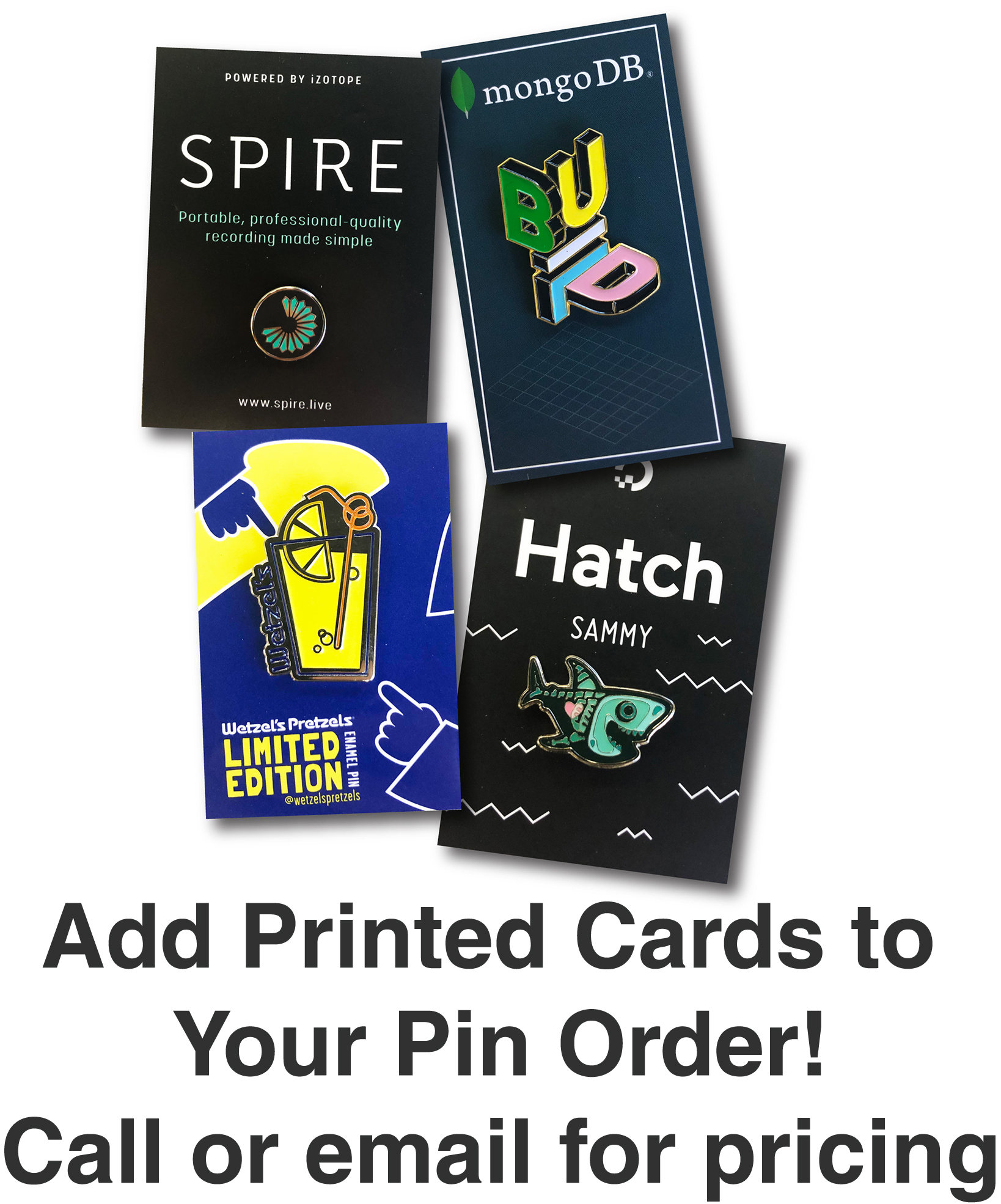
Cloisonné Hard Enamel Lapel Pin
from US$ 1.60

Low Minimum Soft Enamel Lapel Pin
from US$ 1.64

Low Minimum Cloisonné Style Lapel Pin
from US$ 1.78
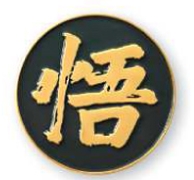
Soft Enamel Lapel Pin with Military Clutch
from US$ 2.10
Without enamel the pin relies on texture and finish, which suits one-color logos, seals, crests and lettering. It also looks more formal, which is why die struck metal pins are common for law enforcement, government, associations and corporate anniversaries.
Most die struck pins come from 1/2 inch up to 2 inches, chosen on the product page. A butterfly clutch is standard; military clutch, rubber clutch, magnet and safety pin backs are available on several models.